
Once a fashion label has locked in its designs, size charts and construction details, the next challenge is finding a factory that can reproduce that vision accurately across hundreds or thousands of units. This is the core value an OEM garment manufacturer Vietnam offers: precise execution rather than product development from zero.
In the sections below, we break down how OEM production works in Vietnam, which brands benefit most from it, what a factory will expect from you before quoting, and how sampling, quality control and lead time typically unfold during a real production cycle.
What Is an OEM Garment Manufacturer and Why Brands Use One
An OEM arrangement in apparel means the factory is responsible purely for execution: cutting, sewing, finishing and packing garments that match a brand’s own design files, size charts and material specifications. Nothing about the product’s look or fit originates from the factory itself. That is what separates OEM production from generic wholesale stock, where the styles are pre-designed and brands simply choose from what already exists.
This model tends to appeal to labels that have already tested a style with customers and now want to reproduce it reliably at larger volumes. Working with an OEM factory allows a brand to keep full control of design, sizing and materials while outsourcing the physical production, machinery investment and skilled labor management.
Lead time expectations are worth discussing openly with a factory before committing to an order. A first-time OEM order generally takes longer than a repeat order with the same partner, simply because both sides are still learning each other’s standards, terminology and communication style. Building a little extra time into your very first production cycle is a realistic way to avoid unnecessary stress later.
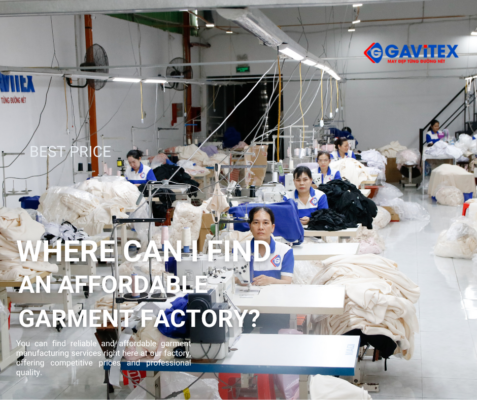 Understanding the OEM Model vs Full Package (ODM) Production
The difference between OEM and ODM (full package) production often comes down to how much design input the factory provides. ODM factories can help shape a collection from concept to sample, which benefits newer brands without an in-house design process. OEM factories, on the other hand, expect the brand to bring a complete, ready-to-produce design and technical package.
Deciding between OEM and full package support really comes down to your current stage of development. When samples, sizing and materials are already locked in, OEM production is typically quicker and more precise, since the factory can focus purely on execution instead of design interpretation.
Who Should Consider Working With an OEM Garment Manufacturer in Vietnam
This model tends to suit private label brands, established fashion companies expanding their product range, and international buyers who already work with designers or pattern makers of their own. If your team can produce a tech pack, grading rules and fabric specifications, an OEM partner can likely take it from there.
For brands that haven’t finalized fabric choices or don’t yet have a working prototype, OEM production may be too early a step. It’s often better to start with an ODM or full package partner, or trial the concept through a smaller-scale producer, before committing to larger OEM runs.
Communication habits matter more than they might seem at first glance. Confirming details in writing, keeping a single point of contact on each side, and agreeing on how photos, measurements and approvals will be shared all help reduce misunderstandings across time zones and language differences during an OEM project.
What You Need Ready Before Contacting a Factory
Before reaching out to any OEM garment manufacturer Vietnam, it pays to organize your documentation. Factories quote faster and more accurately when they receive complete information upfront rather than piecing it together through multiple rounds of questions.
- A ready tech pack that documents construction steps, seam types and trims
- A size chart with graded measurements for every size in your range
- Fabric information covering composition, weight in GSM and any preferred sourcing
- Sample garments or clear photos illustrating the intended fit and finish
- A rough quantity plan broken down by style, color and size
- A general idea of your target cost per finished piece
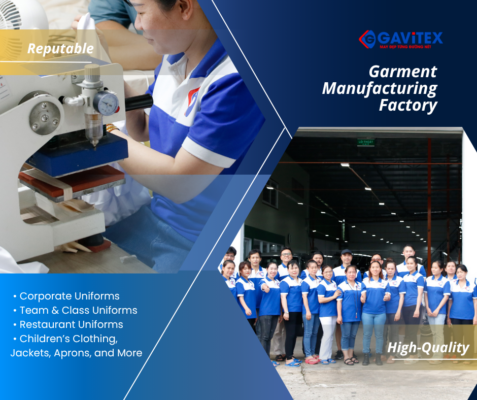 The Sampling Process: From Tech Pack to Approved Sample
The factory usually responds to a reviewed tech pack with a first-round sample. This early sample is rarely final, and that’s expected â its role is to surface discrepancies between the design intent and the physical garment before cutting begins on the full order.
It’s common to go through one or two more rounds of sampling to fine-tune fit, finishing or how the fabric behaves once sewn, particularly for garments with technical construction. Planning for this extra time upfront avoids scrambling once bulk cutting has already started.
Fabric Sourcing and Quality Considerations
Fabric can be sourced in different ways â factory-sourced to your specification, brand-supplied, or through a pre-approved supplier list agreed by both sides. Each approach comes with trade-offs in lead time, pricing and how much quality checking responsibility sits with you versus the manufacturer.
No matter which sourcing approach is used, requesting fabric swatches along with lab testing data such as shrinkage or colorfastness results before bulk cutting starts allows problems to be identified early, when they’re still easy and cheap to fix.
Some brands also ask about compliance documentation, such as fabric composition reports or safety certifications relevant to their target market. It is reasonable to raise these requirements early in the conversation, since sourcing compliant materials or arranging third-party testing can add time to the schedule if it is not planned for in advance.
Minimum Order Quantities and Pricing Factors
Minimum order quantities in OEM production are usually set per style, color or fabric consumption, and they shift depending on how complex the garment is and the size of the factory itself. Confirming MOQ details early on matters, because it shapes how many styles or color options you can include in your initial order.
Cost per unit depends on a combination of fabric price, construction complexity, trims, packaging and order quantity. Garments that appear nearly identical can differ significantly in cost once you factor in stitch count, finishing requirements and the quality standard being targeted.
Payment structures in OEM manufacturing typically involve a deposit before production begins and a balance payment closer to shipment, though exact terms vary by factory and order size. Clarifying payment milestones alongside production milestones helps both sides plan cash flow and avoid confusion about when goods will be released.
Production Timeline and What Affects Lead Time
A standard OEM timeline covers sample development, fabric sourcing and lab testing, bulk cutting, sewing, finishing, quality checks and final packing. Although total lead time shifts with order size and complexity, the biggest cause of delay is usually a slow sample approval or late fabric sign-off rather than production itself.
One of the most effective ways to protect your timeline is simply allowing extra time for sampling and fabric approval, and answering the factory’s questions quickly rather than letting them sit.
Shipping samples back and forth by courier, and later arranging freight for the bulk order, is another detail worth planning early. Confirming who is responsible for shipping costs, customs documentation and delivery terms at each stage prevents last-minute surprises once the goods are ready to leave the factory.
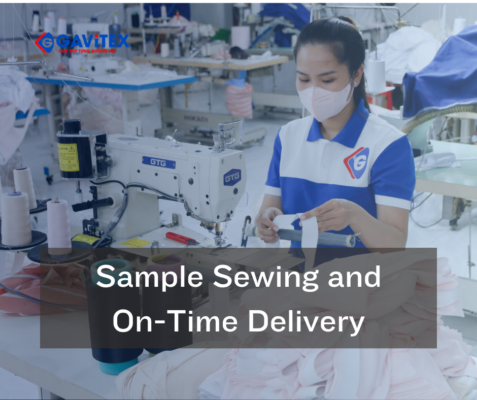 Quality Control and Inspection During Bulk Production
OEM quality control generally spans several stages â fabric inspection on arrival, in-line checks while sewing is underway, and a final random inspection before goods are boxed for shipping. Brands can choose between relying on the factory’s internal QC process or bringing in a third-party inspector for extra assurance.
Agreeing on acceptable quality limits and defect classifications in writing before production starts helps prevent disagreements later and gives both parties a consistent benchmark for inspection.
Common Mistakes Brands Make When Choosing an OEM Partner
Common pitfalls include submitting incomplete technical packages, vague fabric requirements, unrealistic expectations around minimum order quantities, or selecting a factory based only on the lowest quote without verifying its track record with similar products. These issues usually turn into expensive corrections once production has already started.
Spending time upfront on thorough preparation, verifying a factory’s relevant production experience, and agreeing on how communication will work tends to head off most of these problems before they ever arise.
Many brands that start with a single OEM order eventually turn a good factory relationship into an ongoing partnership, reordering the same style in new colors or expanding into related product categories. A factory that understands your standards from the first project tends to make every following order easier to manage.
It also helps to visit the factory in person when possible, or arrange a video walkthrough of the production floor before placing a large order. Seeing how a facility actually operates day to day often reveals more about its reliability than a written proposal or a sample alone ever could.
Finally, it is worth asking a prospective factory for references or examples of past work with a similar garment type, rather than relying only on marketing materials. A short conversation with an existing client, or a look at previous production photos, can confirm whether the factory’s stated capabilities match real-world results before you commit to a full order.
Working with an OEM garment manufacturer Vietnam can be an efficient way to scale a proven design, provided the brand comes prepared with a complete tech pack, clear specifications and realistic expectations around MOQ and timeline. The more groundwork you do before the first conversation, the smoother the path from sample to bulk shipment tends to be.
An OEM garment manufacturer Vietnam is suitable for brands that already have designs, size charts and technical requirements but need a reliable factory for sampling and bulk production.
Order now / Get a quote: +84 972 107 109
